
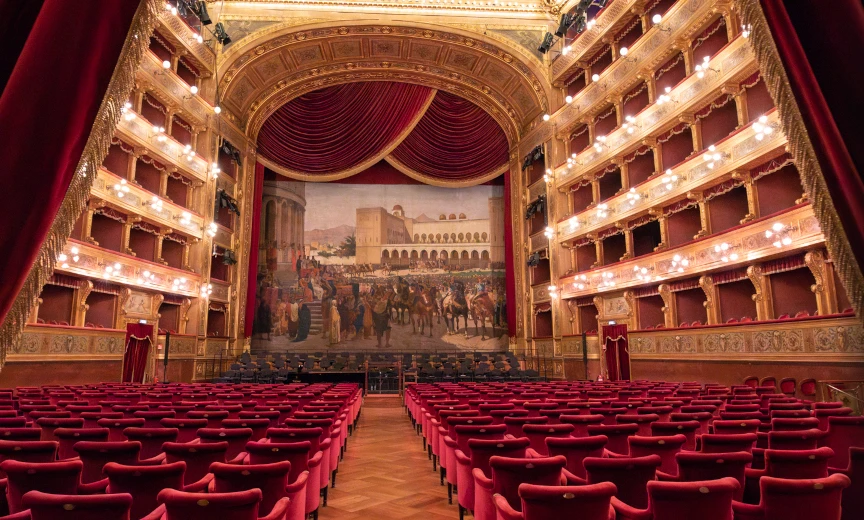
12 Art & Culture attractions not to miss in Palermo
Palermo’s art and culture are shaped by a distinctive Arab-Norman and Baroque heritage, enriched by significant museums and enduring intangible traditions. These twelve attractions offer an essential introduction to the city’s layered cultural identity.
Palermo’s primary art and culture attractions are defined by its unique Arab-Norman and Baroque architectural heritage, alongside significant museums and intangible cultural traditions.
Together, these elements offer a distinctive way to understand the city. Its built heritage reflects the layers of culture that have shaped Palermo, while its museums provide a setting for exploring the city’s artistic and historical legacy.
Culture in Palermo is not confined to buildings and collections. Intangible traditions remain an important part of the city’s identity, adding a living dimension to its architectural and artistic attractions. Exploring all three strands—Arab-Norman and Baroque heritage, museums, and local cultural traditions—reveals a Palermo whose character is both historic and continually renewed.
Places in this guide
Antonio Pasqualino International Puppet Museum
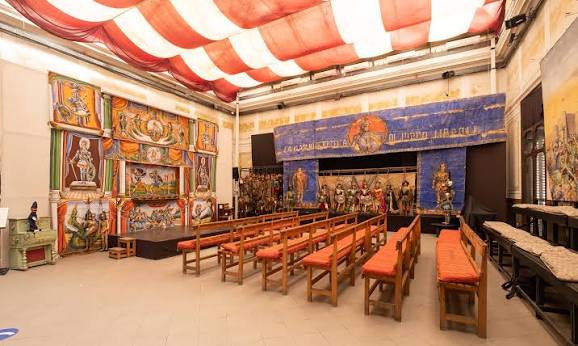
Founded in 1975 by the Association for the Conservation of Popular Traditions, the Antonio Pasqualino International Puppet Museum houses more than 5,000 marionettes, hand puppets, shadow puppets and stage machines from around the world. It preserves the largest and most complete collection of Palermo, Catania and Neapolitan pupi, while serving as a centre for safeguarding and sharing the theatrical heritage of Sicily and other puppet traditions.
Read more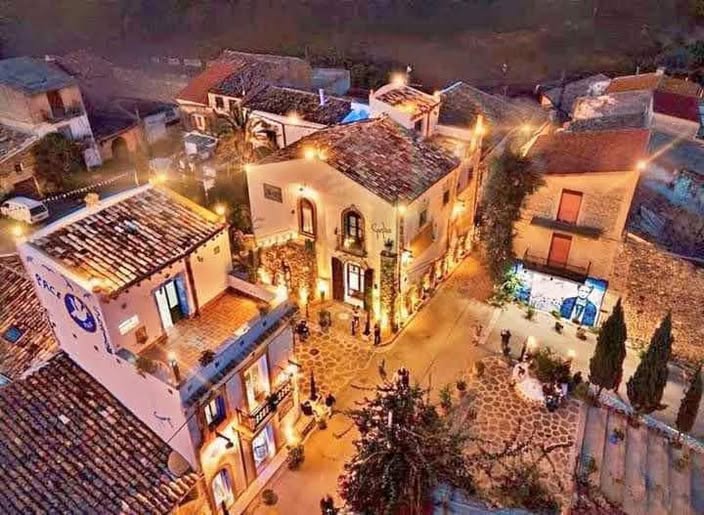
Borgo Parrini Case Museo “I CAMPANILI A BORGO PARRINI” e Bar del Borgo
Borgo Parrini Case Museo "I CAMPANILI A BORGO PARRINI" e Bar del Borgo is a combined cultural attraction, café, bar, and souvenir stop in the colorful village of Borgo Parrini near Partinico, Sicily. It is best known for its artistically restored houses, vibrant streetscapes, and museum spaces that celebrate local history and creativity, making it one of the area's most photographed destinations.
Read more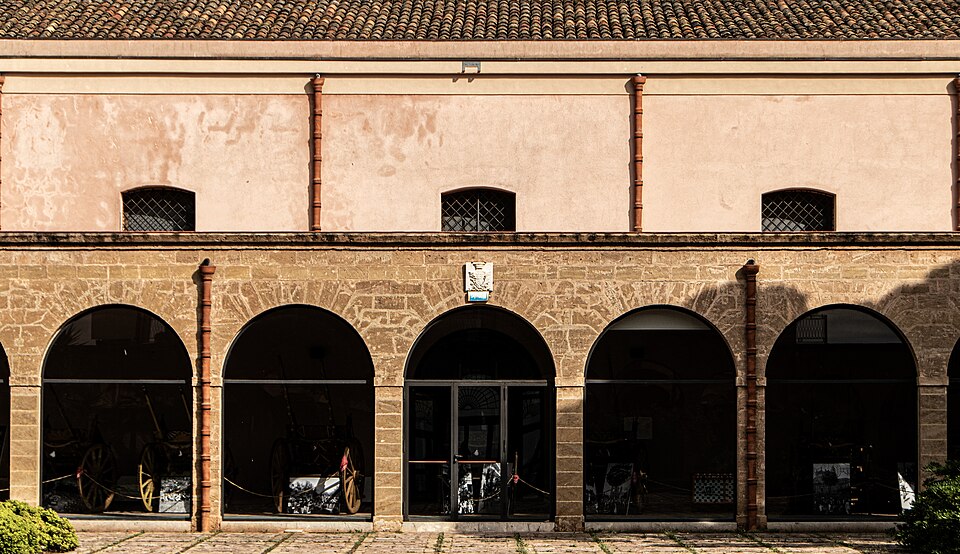
d’Aumale Palace – Regional Museum of Terrasini
The Regional Museum of Palazzo d'Aumale was founded in April 2001 through an agreement between the Regional Department of Cultural Heritage and Activities and the Municipality of Terrasini, which granted Palazzo d'Aumale its use as the museum's home. The 19th-century building, located on the Terrasini seafront, was built by the Prince of Partanna and Duke of Floridia, Don Vincenzo Grifeo, and later acquired by the Duke of Aumale, son of Louis-Philippe, King of France, and Maria Amelia of Bourbon, to house the wine storage facilities the Duke produced on his Zucco farm, not far from Terrasini
Read more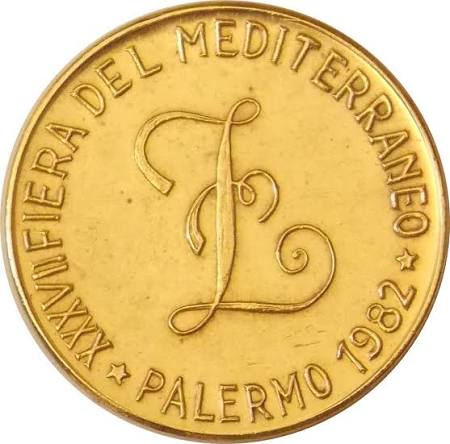
Ente Autonomo Fiera del Mediterraneo
La Fiera del Mediterraneo is a major exhibition and trade centre in Palermo, extending across some 70,000–83,000 square metres near the slopes of Monte Pellegrino and the edge of the Parco della Favorita. Its commercial programme encompasses home and garden goods, automobiles, boats, crafts, shopping, street food and live entertainment.
Read more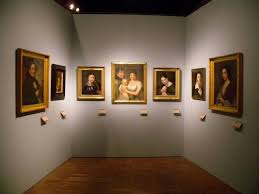
Modern Art Gallery Sant’Anna
The Modern Art Gallery Sant’Anna is Palermo’s civic art gallery, presenting works from the nineteenth and early twentieth centuries in the ancient Kalsa quarter, beside Sant’Anna la Misericordia. Over more than a century, it has steadily expanded its collections and established itself as one of the city’s most modern and vital cultural institutions.
Read more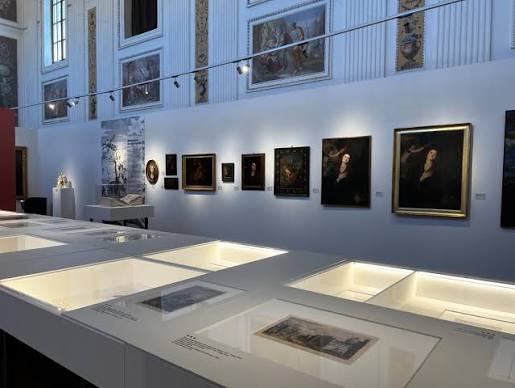
Palazzo Abatellis
Palazzo Abatellis is a majestic late-fifteenth-century residence in Palermo’s Kalsa quarter, built in the Gothic-Catalan style for Francesco Patella, known as Abatellis, port master of the kingdom and praetor of the city. Commissioned from the architect Matteo Carnalivari, it now houses the Galleria Regionale della Sicilia, the region’s gallery of art.
Read more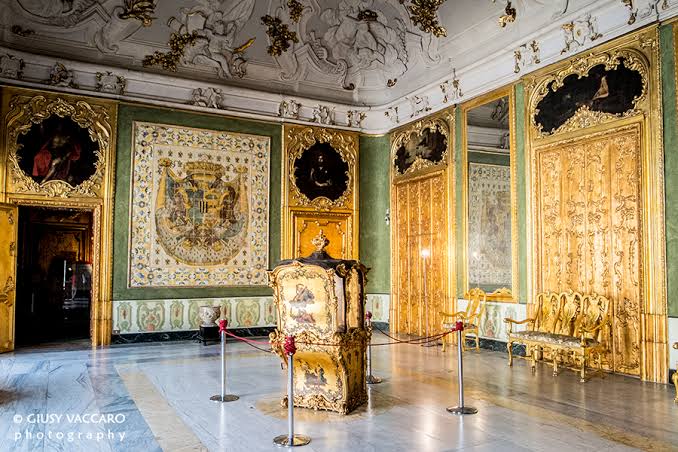
Palazzo Alliata Villafranca
Palazzo Alliata di Villafranca is a historic aristocratic palace and cultural attraction in the heart of Palermo, Sicily. It is one of the city's most important surviving noble residences, known for its richly decorated state rooms, historic furnishings, and an outstanding private art collection that spans several centuries.
Read more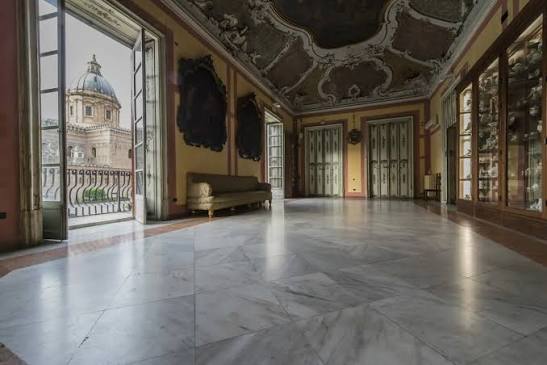
Palazzo Asmundo
Palazzo Asmundo is a historic palace and house museum in Palermo’s old city center, directly opposite the cathedral. Built beginning in 1615 and completed in 1767, it combines Baroque interiors with museum collections and also houses the Asmundo Bistrò, making it a destination for art, history, and Sicilian dining.
Read more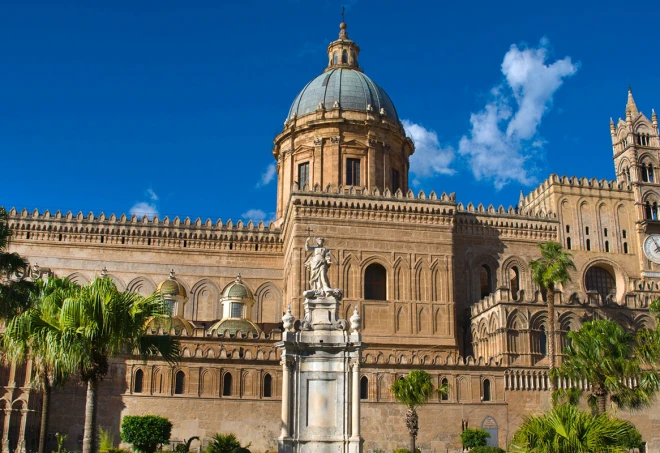
Palazzo dei Normanni
The Palazzo dei Normanni, Palermo’s former royal residence and one of Sicily’s most important historic monuments, stands at the heart of the city beside the Palatine Chapel. Part of Palermo’s UNESCO-recognised Arab-Norman heritage, it encompasses royal apartments, gardens and Punic Walls, while the 12th-century chapel is celebrated for its Byzantine mosaics, Islamic-influenced wooden ceiling and iconic golden Christ Pantocrator.
Read more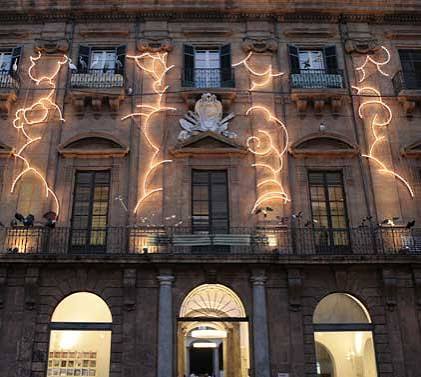
Palazzo Riso
Palazzo Riso is a late-eighteenth-century noble residence in the heart of Palermo’s historic centre, where late Baroque magnificence meets Neoclassical rigour. Restored after years of abandonment, it has housed Riso, the Museum of Contemporary Art of Sicily, since 2005.
Read more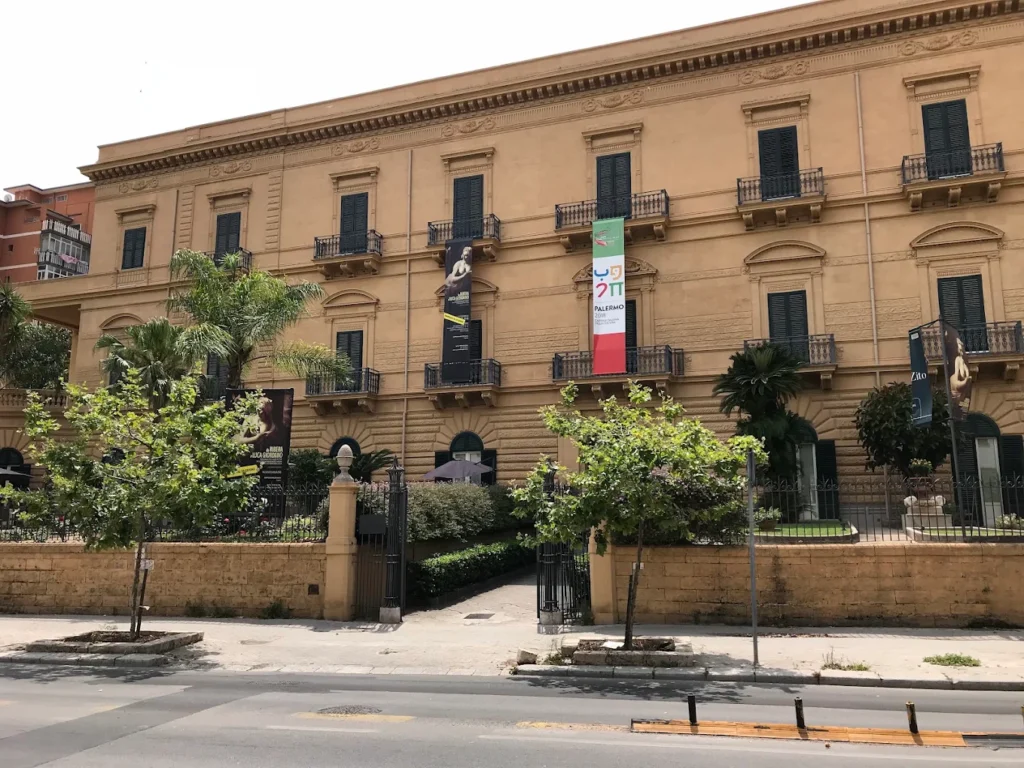
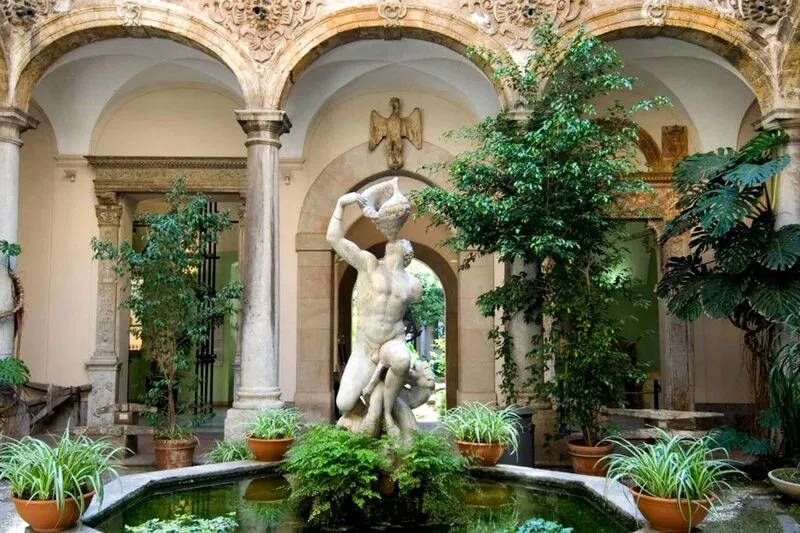
Regional Archeological Museum Antonio Salinas
The Antonio Salinas Regional Archaeological Museum is a true treasure trove for anyone interested in ancient history, located in the heart of Palermo on the picturesque island of Sicily, Italy. The museum boasts one of the richest and most significant archaeological collections in the country, vividly reflecting Sicily's centuries-old history through all its stages of development.
Read more