History
Palazzo Bonelli-Patané
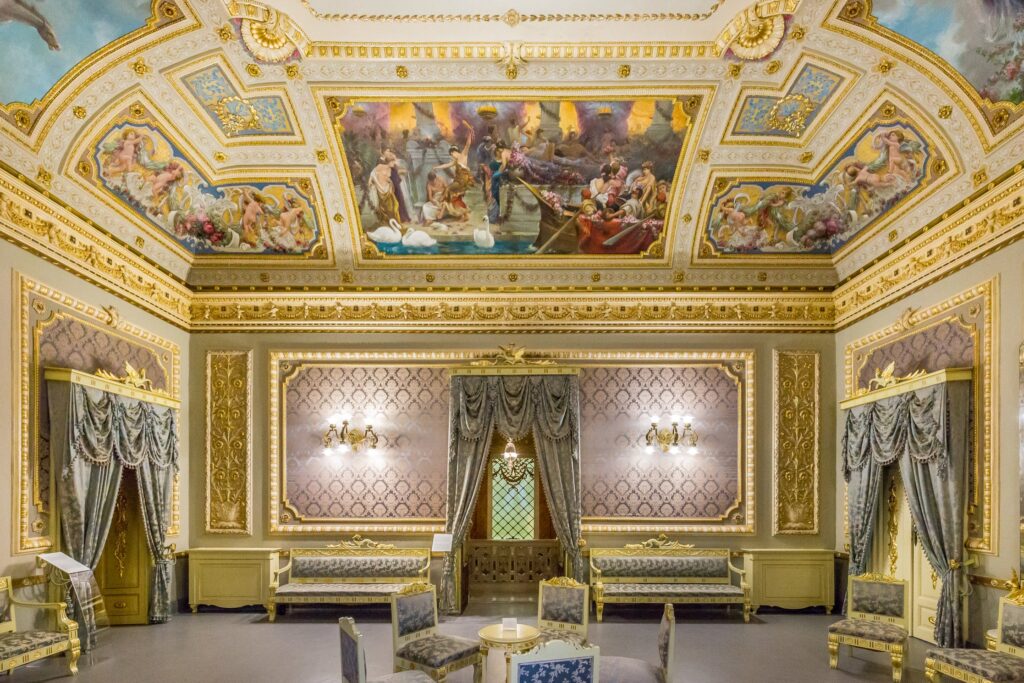
Palazzo Bonelli-Patané offers a fascinating immersion in the history and beauty of Scicli, and is the town’s only noble palace to retain its original furnishings.

Palazzo Bonelli-Patané offers a fascinating immersion in the history and beauty of Scicli, and is the town’s only noble palace to retain its original furnishings.
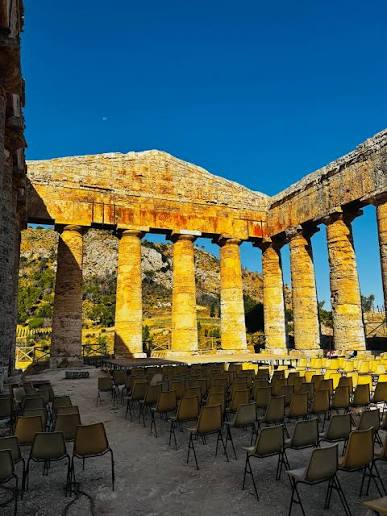
On a hill just outside the ruins of ancient Segesta, overlooking the Gulf of Castellammare, stands an unusually well-preserved Doric temple, thought by some to have been built around 420 BC by an Athenian architect. Its six-by-fourteen columns and unfinished details—including unfluted shafts and lifting tabs left in place—suggest that construction was never completed, while its association with the indigenous Elymians makes it a particularly intriguing Greek-style monument.
The Necropolis of Pantalica is a vast UNESCO World Heritage site in southeast Sicily, where nearly 4,000–5,000 rock-cut tombs honeycomb the limestone cliffs above the Anapo and Calcinara valleys. Dating chiefly from the 13th to 7th centuries BC, the Sikel stronghold also preserves the Mycenaean-influenced Anaktoron and later Byzantine rock dwellings and oratories.
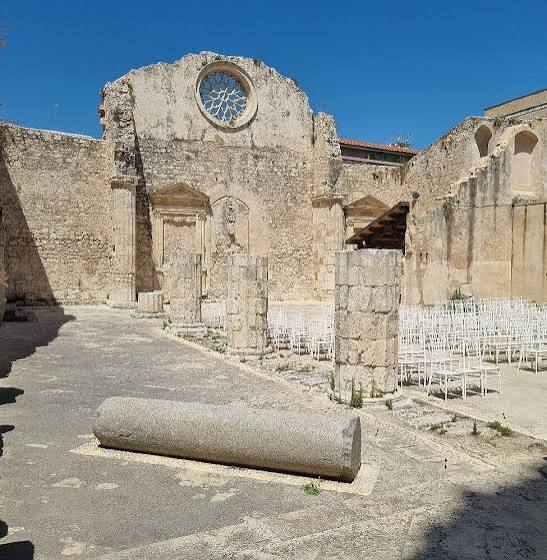
Beyond the Basilica of San Giovanni, the Catacomba di San Giovanni opens into a main gallery lined with thousands of burials. Richly decorated tombs, vivid frescoes—including the Syracusan Virgin crowned by Christ—and monumental cisterns transformed into chapels make this an evocative testament to early Christian expression in Sicily.
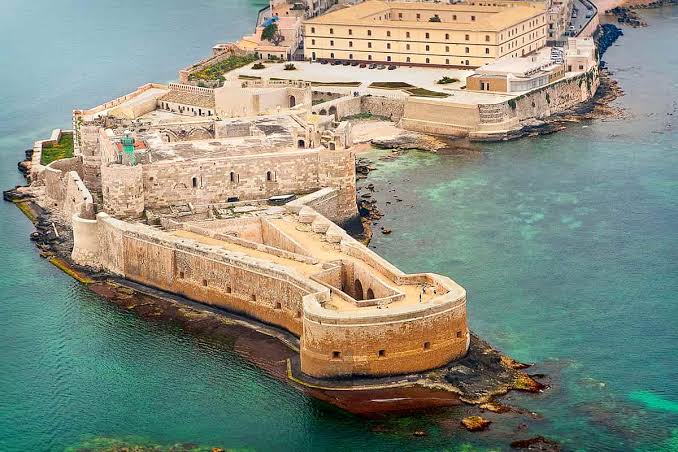
At the tip of Ortygia’s promontory, Castello Maniace is a striking citadel built between 1232 and 1240 by the Emperor Frederick II. One of Syracuse’s most important Swabian-era monuments, it is also among the best-known castles associated with his reign.
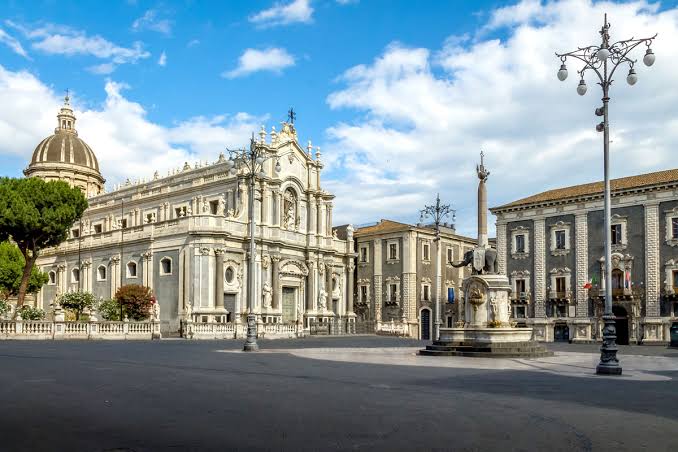
Piazza del Duomo is Catania’s main square and symbolic heart, where Via Etnea, Via Giuseppe Garibaldi and Via Vittorio Emanuele II converge. Framed by the Cathedral of Saint Agatha, dedicated to the city’s patron saint, it embodies Catania’s Baroque soul and enduring resilience after repeated eruptions and earthquakes.
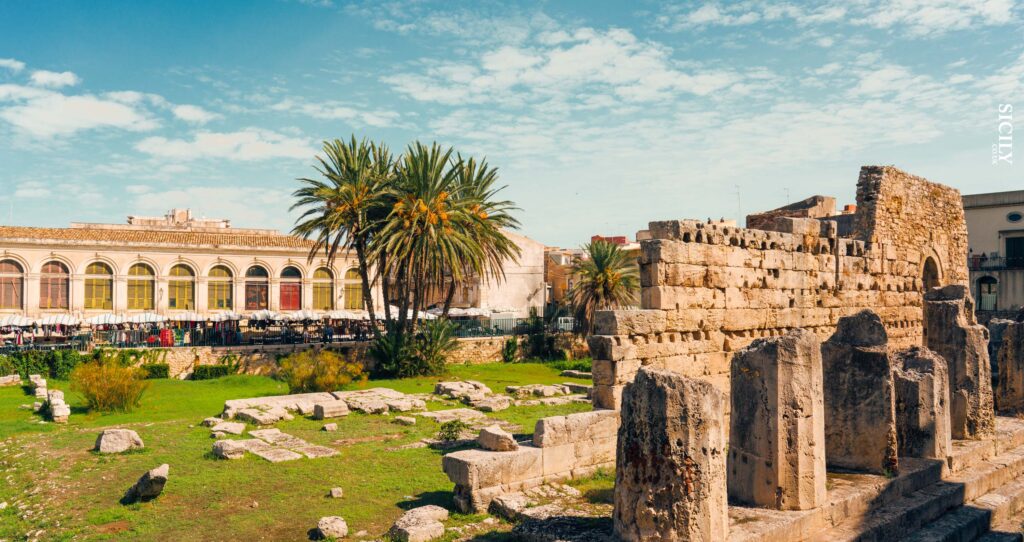
The Temple of Apollo is one of the most important ancient Greek monuments of Magna Graecia, standing on Ortygia in front of Piazza Pancali. Its fascinating ruins mark one of the first temples built by the Greeks in Syracuse in the early sixth century BC, and are regarded as the oldest Doric temple in Sicily and the oldest stone temple in the West.
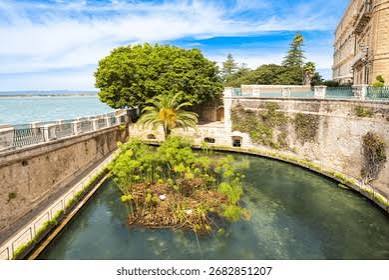
The Fountain of Arethusa is a natural spring on Ortygia, in Syracuse’s historic centre. Whatever the legend, it remains a magical setting for romantic walks and fairy-tale sunsets.
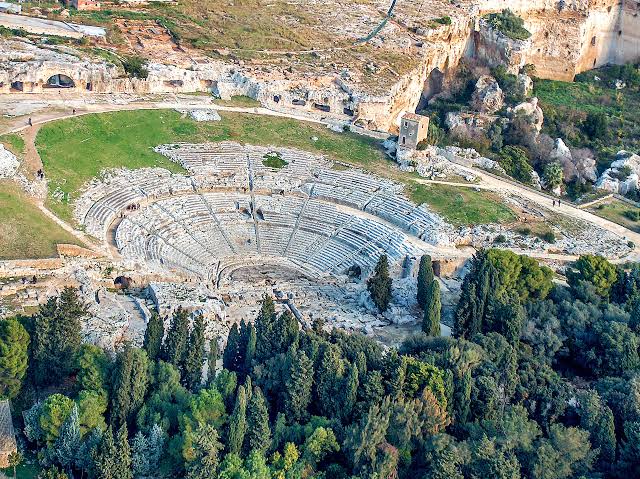
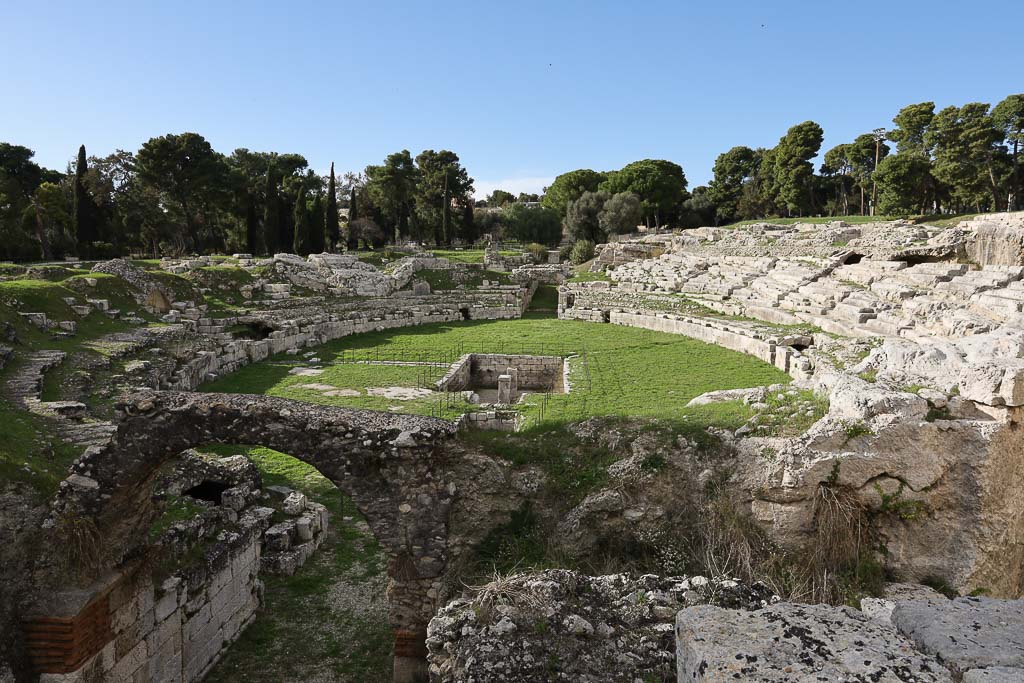
The Neapolis Archaeological Park is one of Sicily’s most extraordinary ancient sites, bearing witness to Syracuse’s power, wealth and cultural importance in the Mediterranean. Its Greek Theatre, carved directly into the rock of Temenite Hill, is among the largest and best preserved in the world and remains in use for tragedies and classical performances.
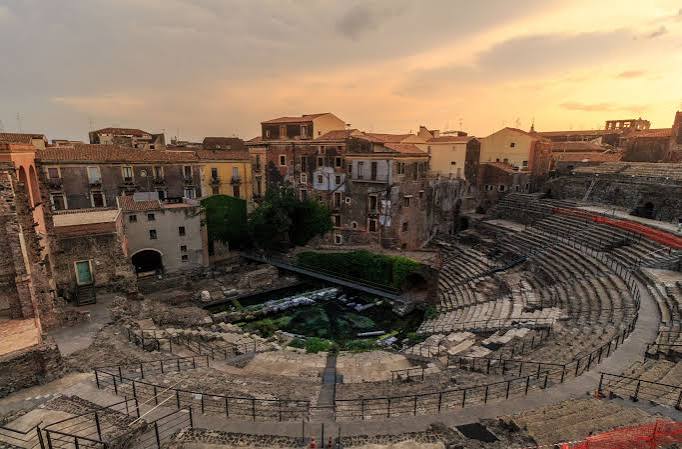
Built over earlier Greek structures on the slopes of Montevergine hill, Catania’s Roman Theatre comprises the ruins of two open-air semicircular theatres in the city centre. Constructed in lava stone and once accommodating around 7,000 spectators, it offers a striking glimpse into Catania’s ancient theatrical heritage.