ZACentrale
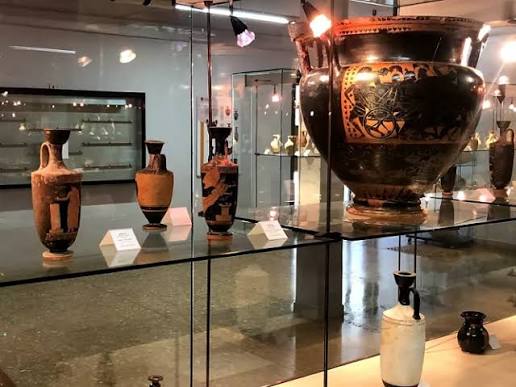
Established in 1965, Museo Regionale was the second such museum in Italy, following the one in Faenza. Its prehistoric and Greek collections include Neolithic wares, Greek red- and black-figure pottery and Hellenistic terracotta.
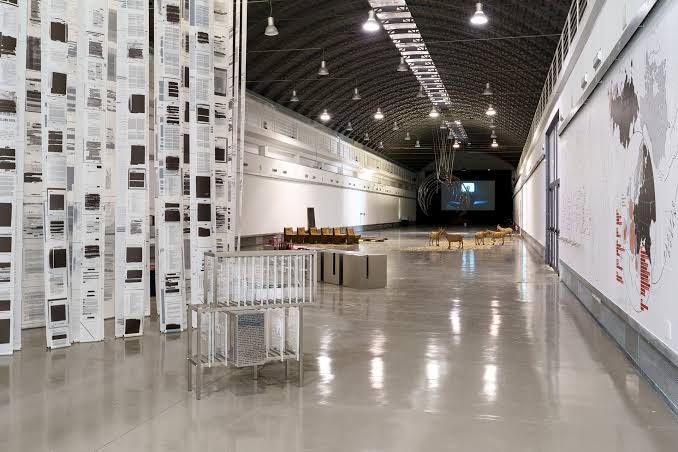
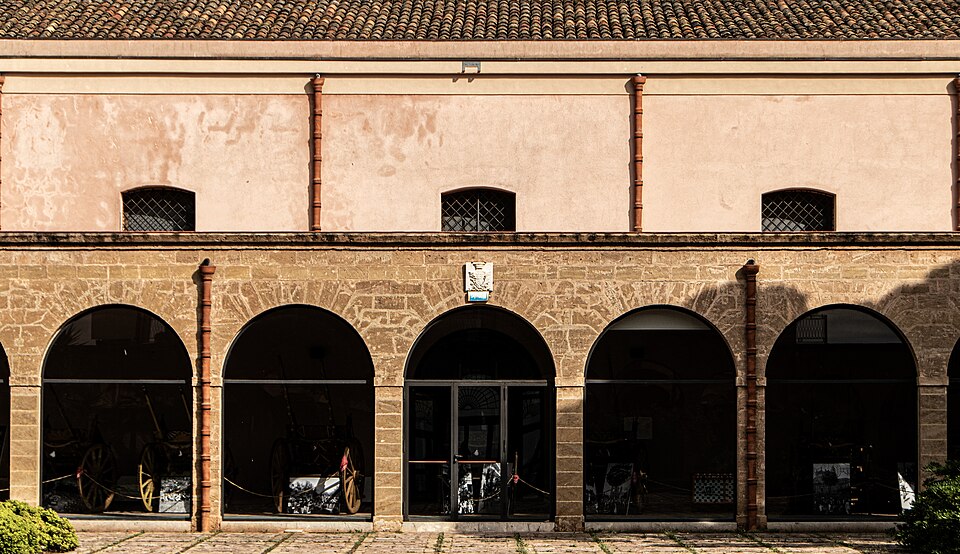
Housed in a vast former Studio Ducrot factory, once renowned across Europe for its 20th-century furniture design, ZACentrale is one of Palermo’s most significant contemporary art venues. Managed by Fondazione Merz, it occupies 17,000 square feet and serves as a hub for innovative interdisciplinary artistic practice.
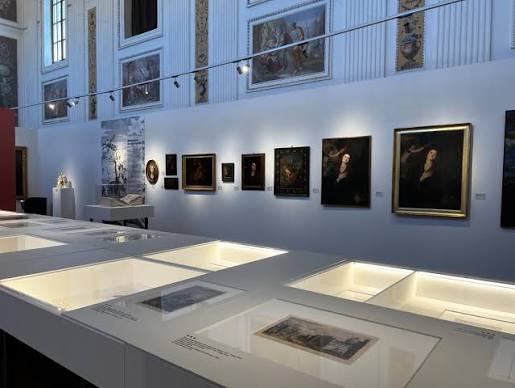
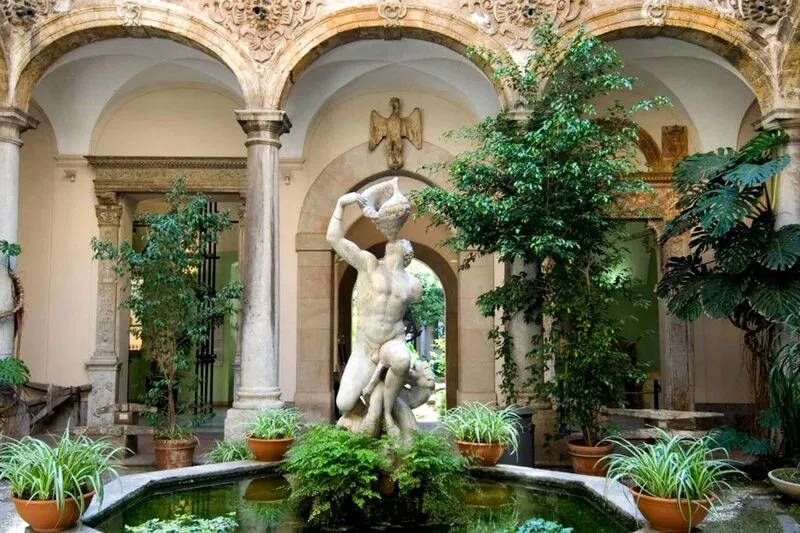
Palazzo Abatellis is a majestic late-fifteenth-century residence in Palermo’s Kalsa quarter, built in the Gothic-Catalan style for Francesco Patella, known as Abatellis, port master of the kingdom and praetor of the city. Commissioned from the architect Matteo Carnalivari, it now houses the Galleria Regionale della Sicilia, the region’s gallery of art.
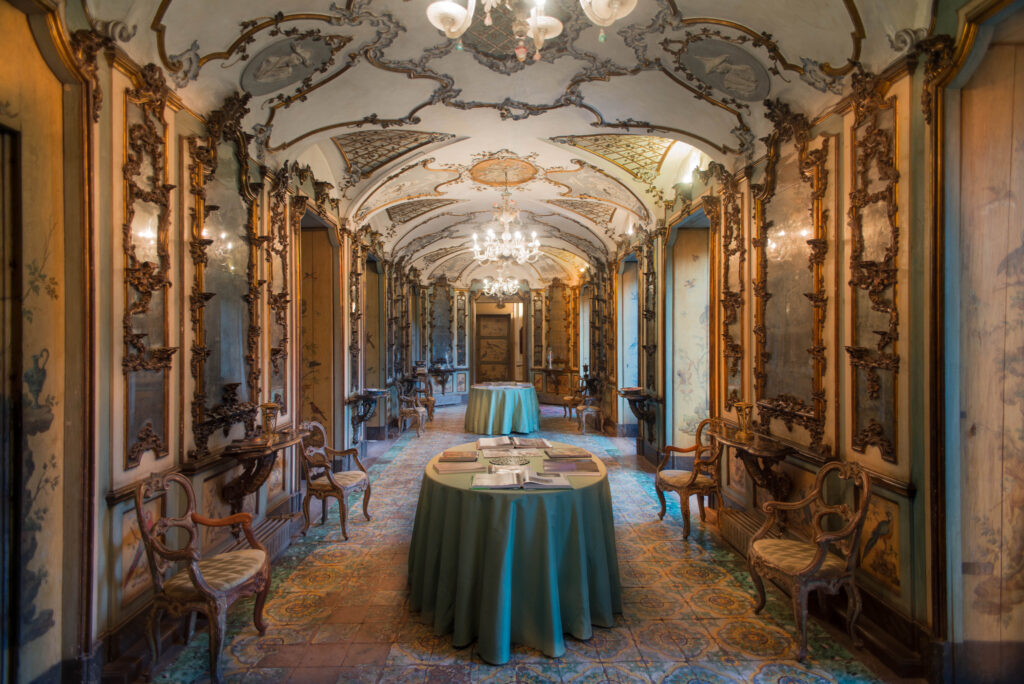
Palazzo Biscari is an 18th-century Baroque palace in the historic center of Catania, Sicily, and remains the city's most prominent privately owned historic residence. Built by the Paternò Castello family after the devastating 1693 earthquake, it is celebrated for its lavish interiors, monumental architecture, and continued role as a venue for guided tours, concerts, exhibitions, and cultural events.
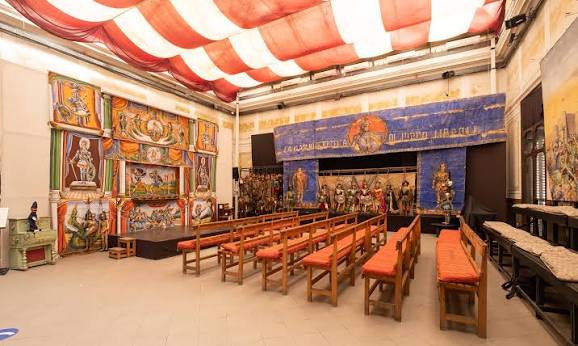
Founded in 1975 by the Association for the Conservation of Popular Traditions, the Antonio Pasqualino International Puppet Museum houses more than 5,000 marionettes, hand puppets, shadow puppets and stage machines from around the world. It preserves the largest and most complete collection of Palermo, Catania and Neapolitan pupi, while serving as a centre for safeguarding and sharing the theatrical heritage of Sicily and other puppet traditions.
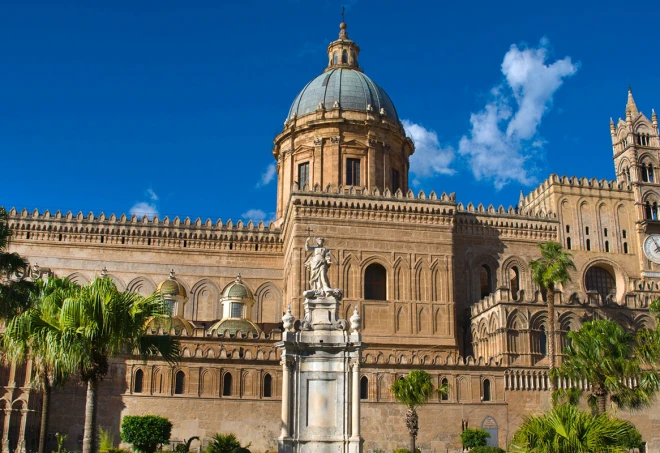
The Palazzo dei Normanni, Palermo’s former royal residence and one of Sicily’s most important historic monuments, stands at the heart of the city beside the Palatine Chapel. Part of Palermo’s UNESCO-recognised Arab-Norman heritage, it encompasses royal apartments, gardens and Punic Walls, while the 12th-century chapel is celebrated for its Byzantine mosaics, Islamic-influenced wooden ceiling and iconic golden Christ Pantocrator.
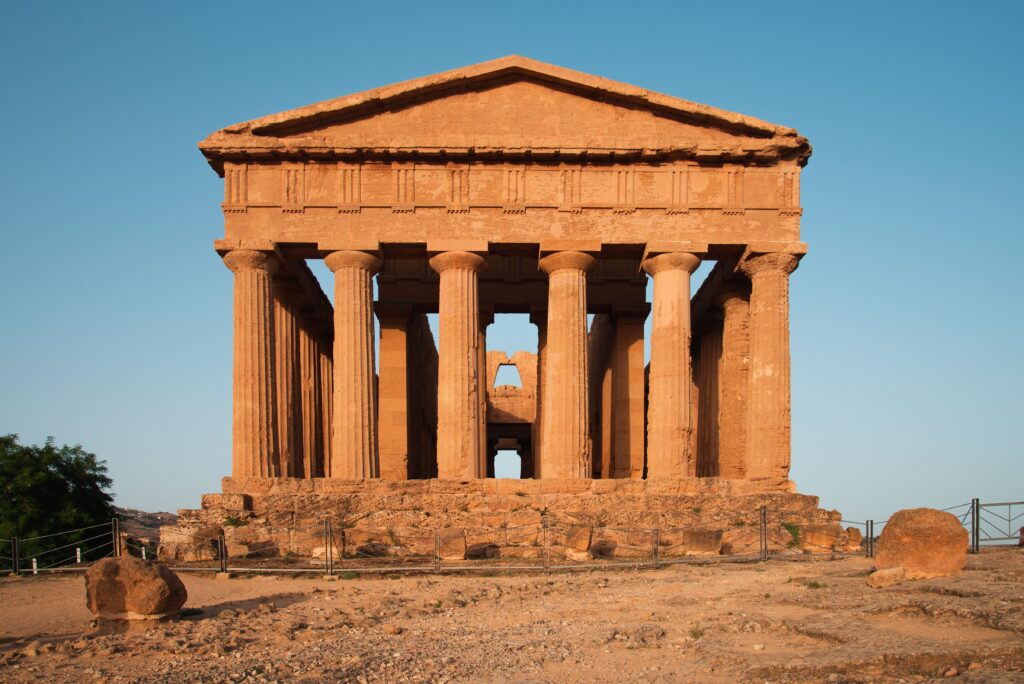
The Valley of the Temples is an archaeological park encompassing the monumental heart of ancient Akragas, with a remarkable series of well-preserved Doric temples from the Hellenic period. A symbol of Agrigento and one of Sicily’s defining cultural landmarks, it has been a UNESCO World Heritage Site since 1997 and, at 1,300 hectares, is the largest archaeological park in Europe and the Mediterranean.
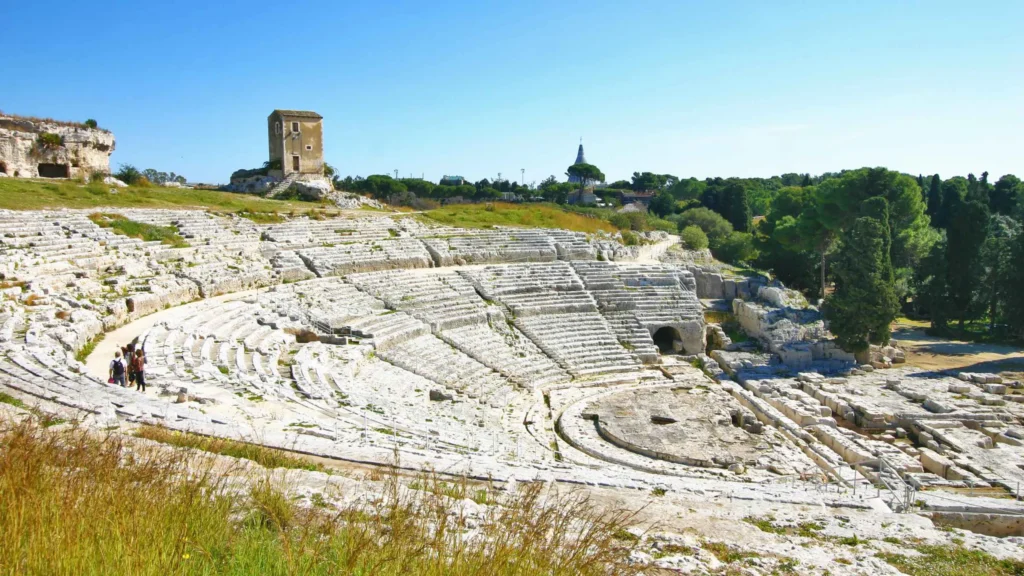
The Greek Theatre of Syracuse lies on the south slopes of the Temenite hill, overlooking the modern city of Syracuse in southeastern Sicily, Italy. It was first built in the 5th century BC, rebuilt in the 3rd century BC and renovated again in the Roman period The theatre represents the greatest example of theatrical architecture in Western Greece. It is unique in that it is almost entirely carved into the rock. In addition to performances, as was customary among the ancient Greeks, the theater was used for popular assemblies.
The Regional Museum of Palazzo d'Aumale was founded in April 2001 through an agreement between the Regional Department of Cultural Heritage and Activities and the Municipality of Terrasini, which granted Palazzo d'Aumale its use as the museum's home. The 19th-century building, located on the Terrasini seafront, was built by the Prince of Partanna and Duke of Floridia, Don Vincenzo Grifeo, and later acquired by the Duke of Aumale, son of Louis-Philippe, King of France, and Maria Amelia of Bourbon, to house the wine storage facilities the Duke produced on his Zucco farm, not far from Terrasini

The Antonio Salinas Regional Archaeological Museum is a true treasure trove for anyone interested in ancient history, located in the heart of Palermo on the picturesque island of Sicily, Italy. The museum boasts one of the richest and most significant archaeological collections in the country, vividly reflecting Sicily's centuries-old history through all its stages of development.