Discover Sicily

Places

Discover places to stay, eat, explore and experience across Sicily.

Stay

Hotel Garibaldi

Palermo

Hotel Garibaldi occupies a historic Liberty-style building opposite Teatro Politeama, combining an elegant exterior with bright, contemporary interiors. Well placed for exploring Palermo on foot, including the Cathedral, it offers a comfortable base for leisure or business, with multilingual staff able to assist with local bookings.
Stay

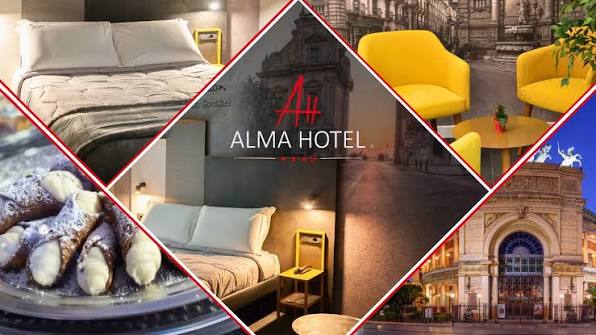
Alma Hotel

Palermo

The Alma Hotel is located in a central area that will allow you to move on foot to discover all the wonders of Palermo. A few steps away you will find Piazza Politeama, the Teatro Massimo, the Quattro Canti, the Cathedral, the Martorana, Piazza Pretoria, the Palatine Chapel, the Palazzo dei Normanni, the popular markets (Ballarò, the Cape, the Vucciria).

Food & Drink

Ristorante I Tenerumi

Vulcanello

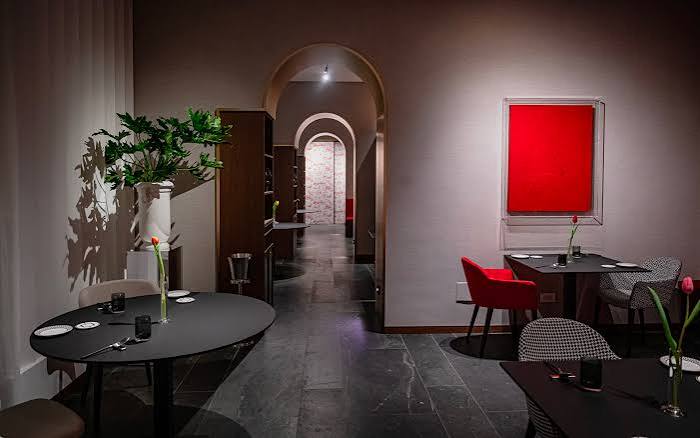
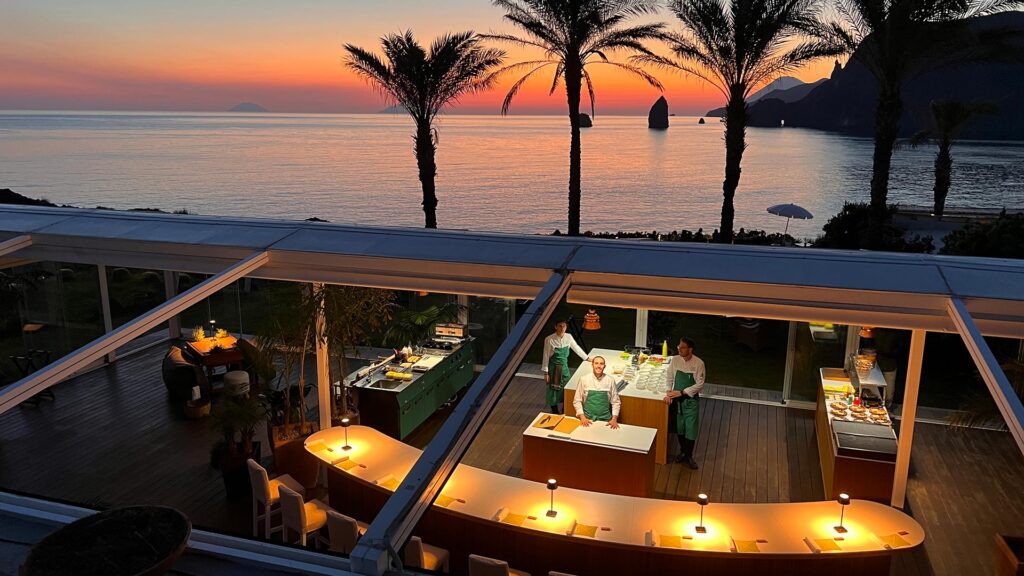
Ristorante I Tenerumi brings the wild beauty of the Aeolian Islands to the table, with immersive dinners on a lush lawn beneath the stars. Sicilian ingredients are treated with profound respect for nature and reimagined through cutting-edge international techniques in a sensory expression of the land.

Stay

Castello San Marco hotel & spa

Calatabiano

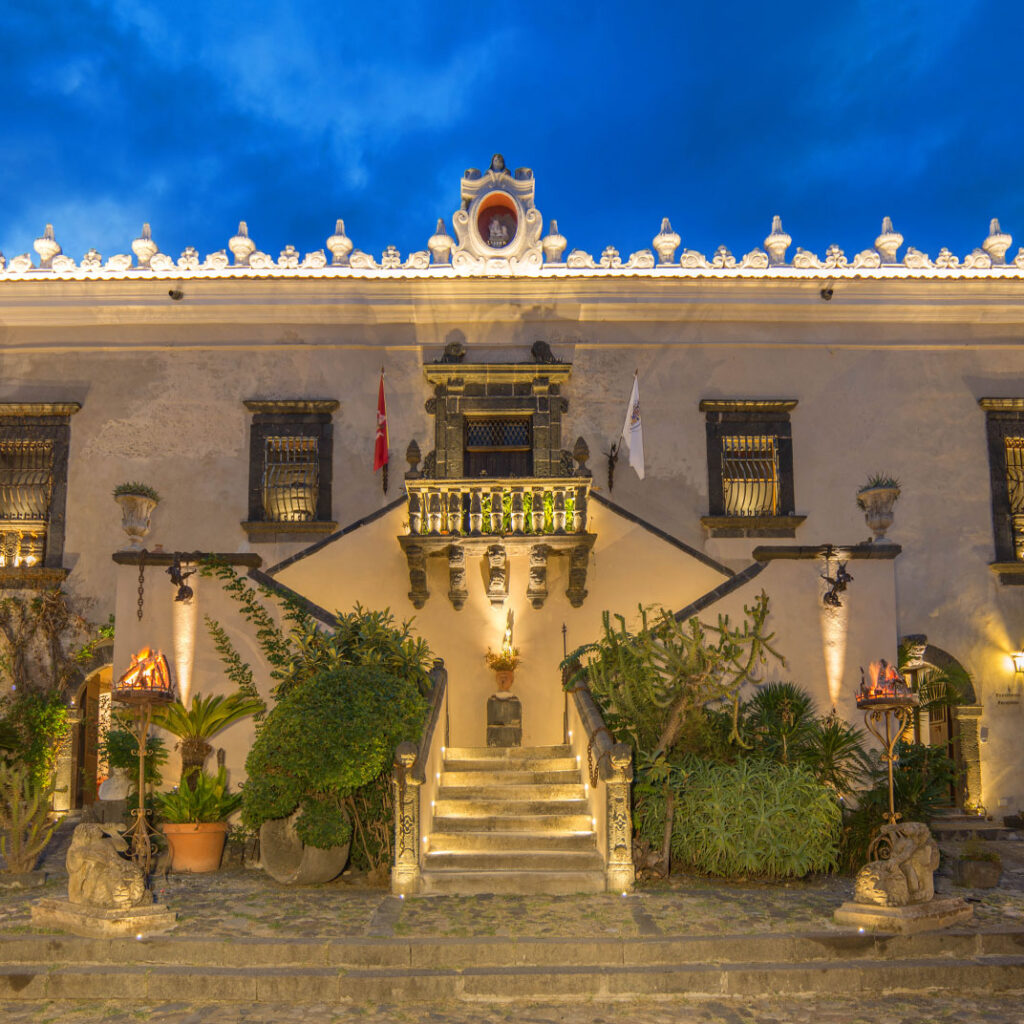
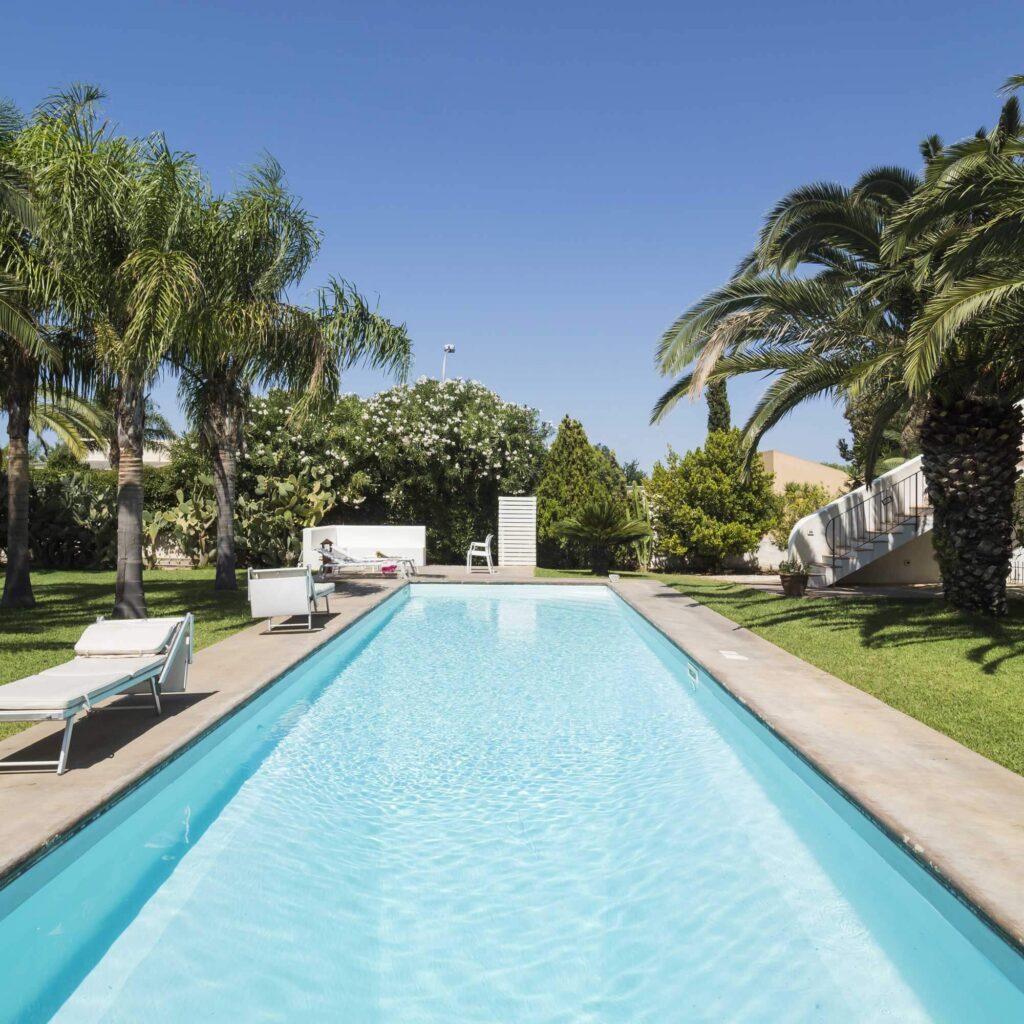
Castello San Marco offers an elegant, aristocratic experience near Mount Etna, between Taormina and Catania, where Sicilian Baroque atmosphere meets an Italian love of food and wine. The main castle houses the restaurant, wine bar and some deluxe suites, while spacious rooms occupy smaller buildings throughout the gardens; a spa, swimming pool and proximity to the beach complete the setting.

Sport & Adventure

Red Etna Excursions

Catania

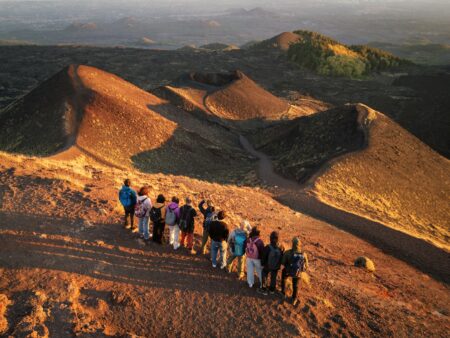
Red Etna Excursions is a Catania-based, fully authorised tour operator specialising in excursions on Mount Etna, from morning and sunset outings to summit-crater visits, wine tasting and private tours from Catania or Taormina. Its activities also include e-bike and helicopter tours, alongside transfers and agency services.

Stay

Il Giardino di Ballarò Boutique Hotel

Palermo

Welcome to a historic residence at the foot of Palazzo Conte Federico , just steps from the historic Ballarò market. A charming Bed and Breakfast in Palermo that, thanks to meticulous restoration, has returned the building to its former glory. This refined B&B in a restored, 18th-century building is a 4-minute walk from the Cadorna bus station, 6 minutes' walk from the Palatine Chapel and 7 minutes' walk from the Quattro Canti fountains.

Experiences

Grotta dei Lamponi

Castiglione di Sicilia

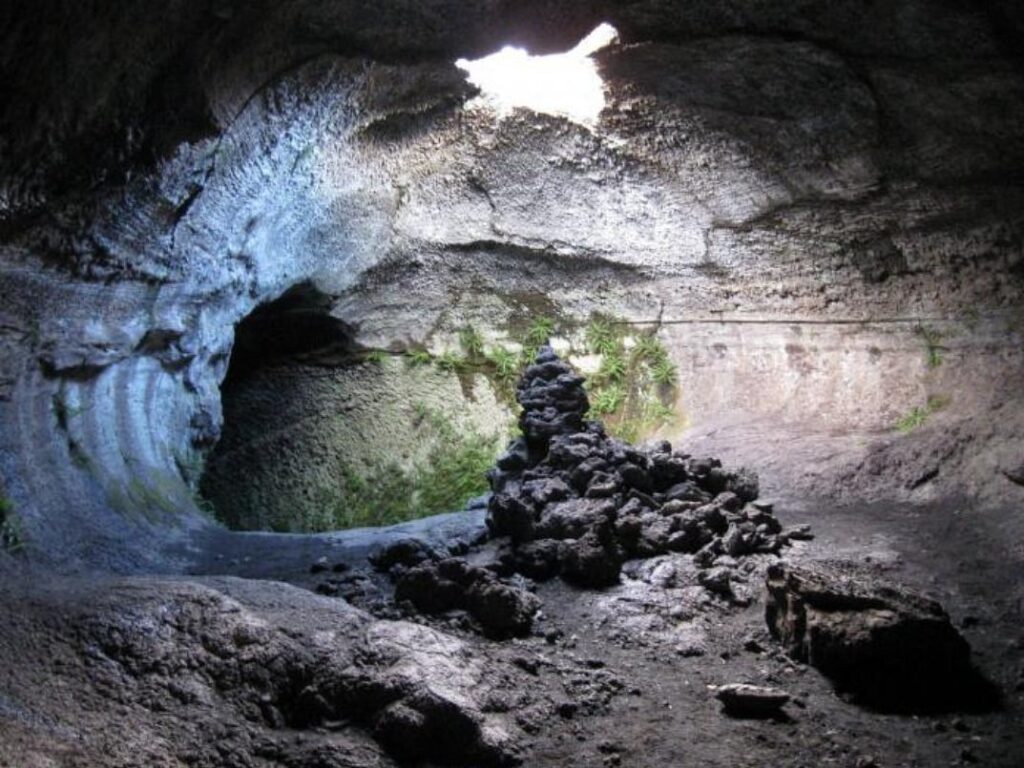
Grotta dei Lamponi is a lava-flow cave on Etna’s northern side, near Castiglione di Sicilia, formed during the volcano’s great 1614–1624 eruption. At approximately 1,750 metres, its principal cave system extends for around 400 metres, though broader geological measurements exceed 700 metres; unstable sections and difficult access mean that entry should only be attempted with appropriate equipment and qualified personnel.

Food & Drink

Ristorante Coria

Catania

Ristorante Coria is a Michelin-starred fine-dining restaurant in Catania’s historic centre, where chef-owners Domenico Colonnetta and Francesco Patti offer a contemporary interpretation of Sicilian cuisine. Set within the elegant Palazzo San Demetrio, its refined yet welcoming dining room combines historic character with clean modern design, while Etna-inspired artwork and a Sicily-focused wine list underscore its sense of place.

Art & Culture

Roman Villa of Casale

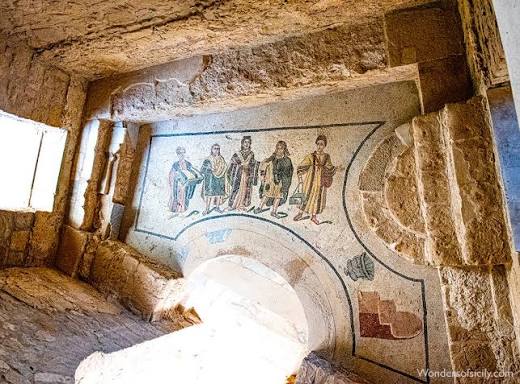
The Roman Villa of Casale, around 3 km from Piazza Armerina, is an elaborate fourth-century aristocratic residence offering an unusually detailed portrait of elite life in late Roman Sicily. Its 3,500 m² of exceptionally preserved mosaics include the spectacular Great Hunt and the famous ‘Bikini Girls’, while courtyards, reception rooms, private apartments, service areas and an extensive thermal complex reveal the scale of the estate.

History

Doric Temple of Segesta

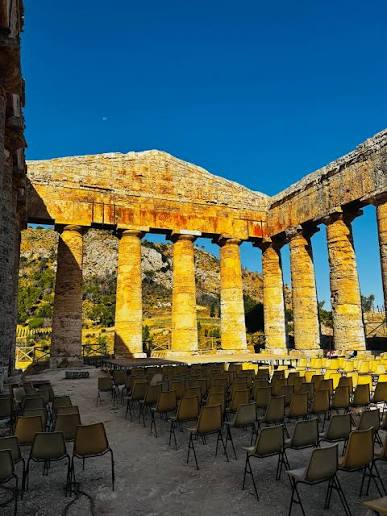
On a hill just outside the ruins of ancient Segesta, overlooking the Gulf of Castellammare, stands an unusually well-preserved Doric temple, thought by some to have been built around 420 BC by an Athenian architect. Its six-by-fourteen columns and unfinished details—including unfluted shafts and lifting tabs left in place—suggest that construction was never completed, while its association with the indigenous Elymians makes it a particularly intriguing Greek-style monument.